06 · Slavery & moral imagination
Uncle Tom’s Cabin
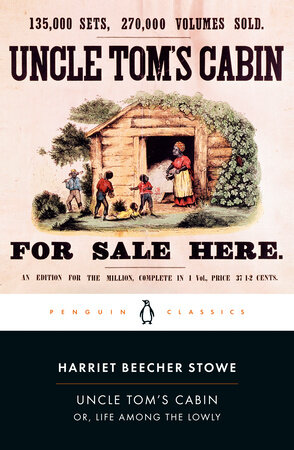
Malcolm X explicitly recalled reading it. Tolstoy singled it out in his argument about the purpose of art.
Penguin Classics · edited and introduced by Ann Douglas · paperback
ISBN 9780140390032 · Publisher’s edition details ↗
Amazon affiliate link. The historical readers used other editions or languages.
Why read it now
A novel built to make distant suffering immediate. Read the story, then ask how its sentimental power and racial portrayals work together—and where they fail.
Where to start
Read the novel alongside the edition’s introduction. The historical afterlife of its title is not a substitute for what the actual characters say and do.
The reading record
Autobiographical reading self-report
Malcolm X
Malcolm explicitly states that he read this novel in the passage about his study of slavery.
“Of course I read Uncle Tom’s cabin.”
The Autobiography of Malcolm X (1965) ↗
Chapter 11, “Saved”; paragraph on slavery and reading novels
Author’s own published appraisal
Leo Tolstoy
Tolstoy includes the novel among his examples of art that conveys broadly shared human feeling.
What Is Art? ↗
Chapter XVI, printed pp. 166–167
What the evidence establishes
Malcolm gives an explicit reading report. Tolstoy’s own published appraisal establishes engagement, without a dated record of completion. No Hitler badge has been attached to this title on the basis of the disputed favourite-novels list.
Checked 5 November 2026. Primary texts may be presented in later editions or translations. Read the research method and excluded claims.