09 · Judgment & redemption
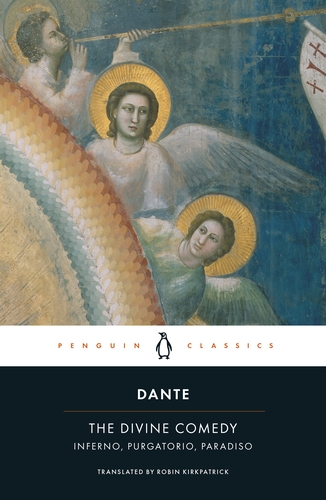
The Divine Comedy
Mussolini described returning to Dante. Pope Francis devoted an apostolic letter to the poem.
Penguin Classics · translated by Robin Kirkpatrick · complete English single volume · paperback
ISBN 9780141197494 · Publisher’s edition details ↗
Amazon affiliate link. The historical readers used other editions or languages.
Why read it now
A journey through Hell, Purgatory, and Paradise that also judges the politics of its own world. Spiritual vision and personal vendetta share the same pages.
Where to start
Begin with Inferno I. Use the notes: the historical people Dante meets are part of the argument, rather than decoration.
The reading record
Contemporary interview
Benito Mussolini
Asked about reading Dante, Mussolini describes repeated reading and discusses the poet’s placement of enemies in Hell.
“Again and again; always, in fact”
Emil Ludwig, Talks with Mussolini (1933) ↗
“Art”, printed p. 215
Author’s own commentary
Pope Francis
Francis’s apostolic letter develops an interpretation of the Comedy through passages from all three cantiche.
Candor lucis aeternae, 25 March 2021 ↗
Especially sections 2–8
What the evidence establishes
Mussolini’s statement comes through Ludwig’s interview. Francis’s own extended commentary documents engagement; it supplies no date on which he completed the poem. The linked single-volume edition is English, not bilingual.
Checked 5 November 2026. Primary texts may be presented in later editions or translations. Read the research method and excluded claims.