III · Influence
How to Win Friends and Influence People
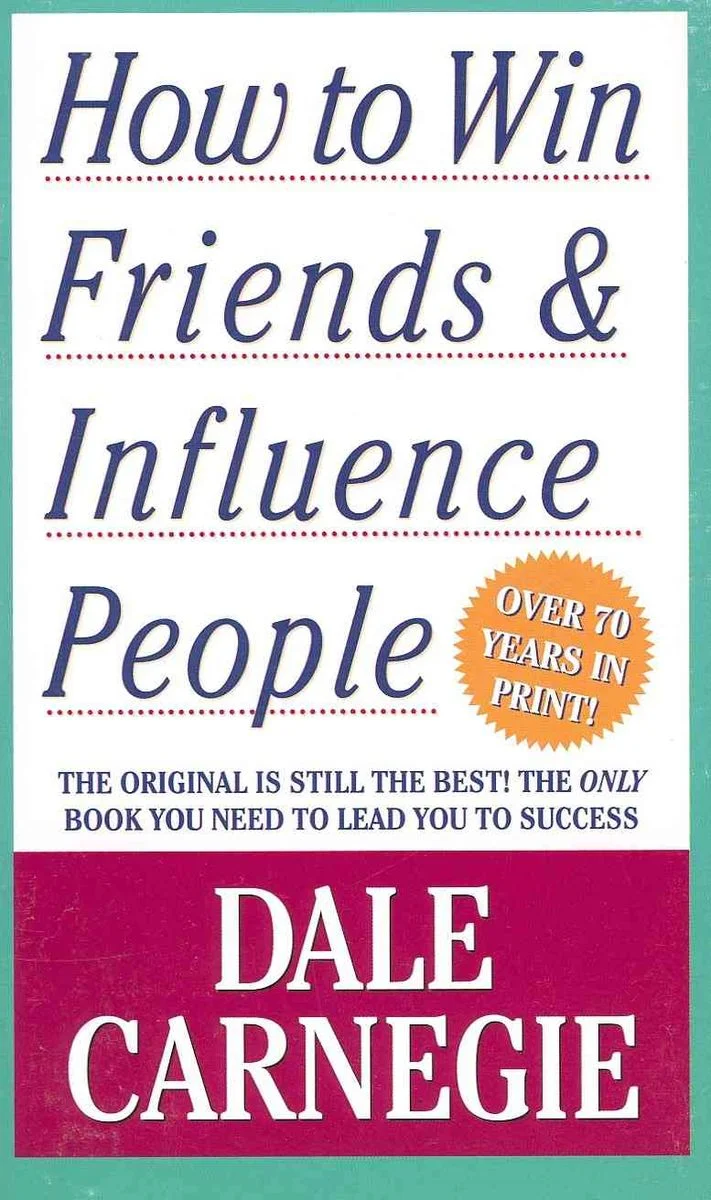
The polite technology of making people feel seen — and the cost of being good at it.
What it argues
Carnegie's insight is not complicated: people are creatures of status and recognition. Arguments rarely persuade; feeling understood does. The techniques — use names, listen, admit fault, let the other person save face — are still the base layer of sales, politics, management, and dating.
The book is anecdotal and dated, but its machinery is real. It describes influence as a social courtesy, which is what makes it effective.
Why it's dangerous knowledge
It is a social-engineering manual with a smile. The same moves that create rapport can be used to farm trust: mirroring, flattery, strategic vulnerability. Read it defensively. When someone makes you feel unusually important, ask what they want.
It is also a mirror. You will recognize your own manipulations in it — the compliment with a purpose, the question that steers. That recognition is the useful part.
Read next
The Definitive Book of Body Language covers the signals underneath the script. Propaganda is the same skill set applied to entire populations.